
The Studio Mirror: Allen Weiss & The Artists of North Carolina
January 10, 2026 - April 18, 2026 | Rankin Galleries
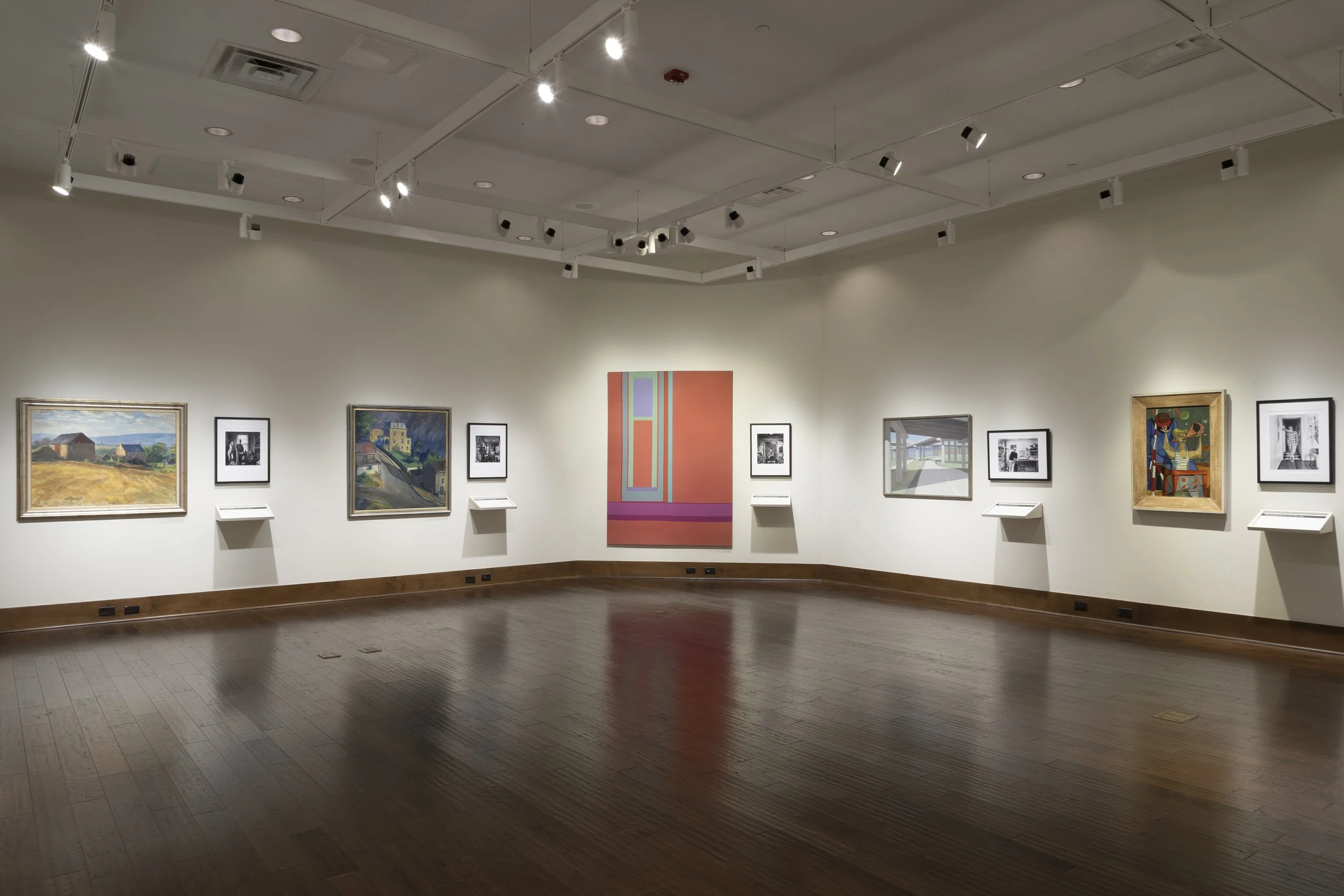
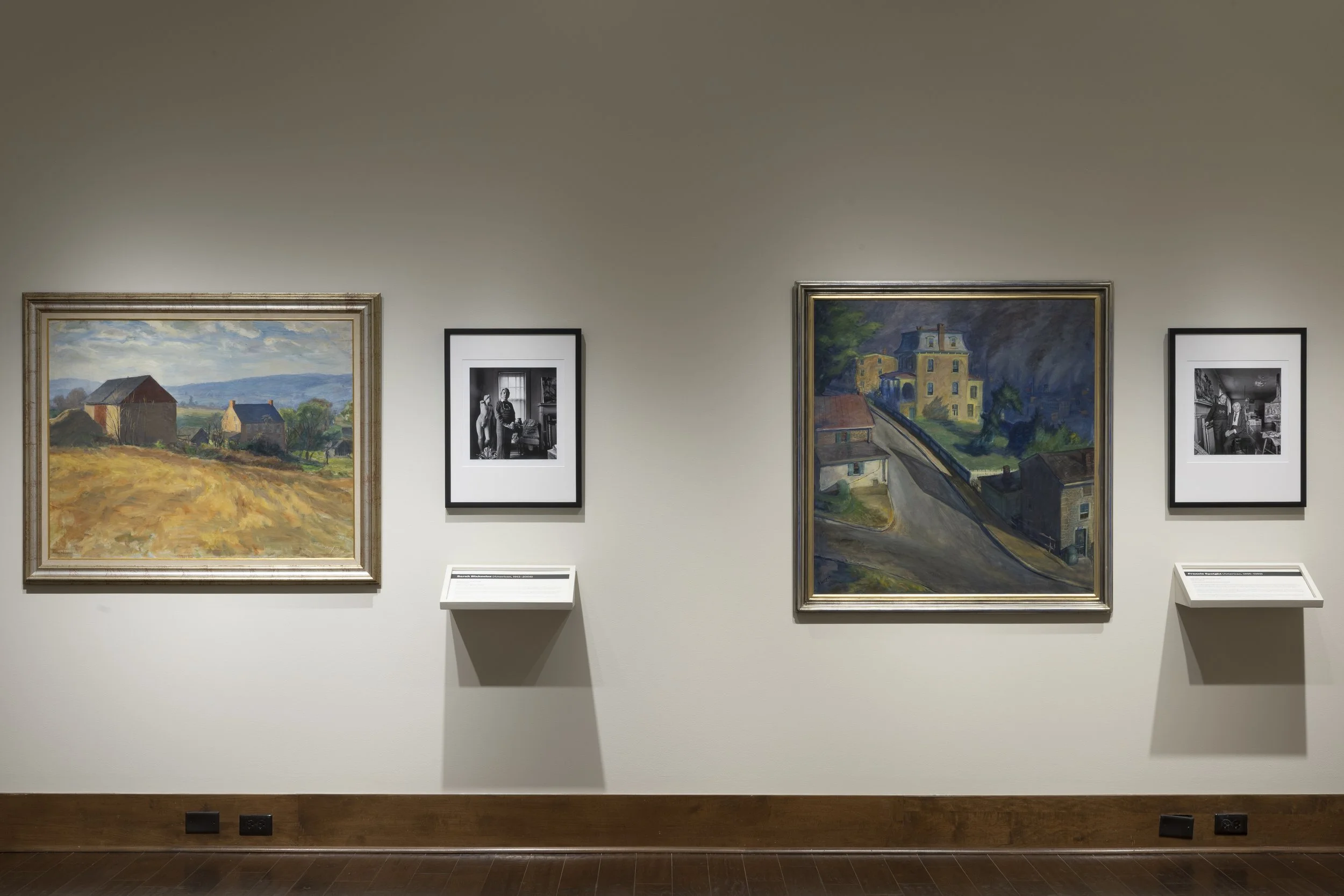
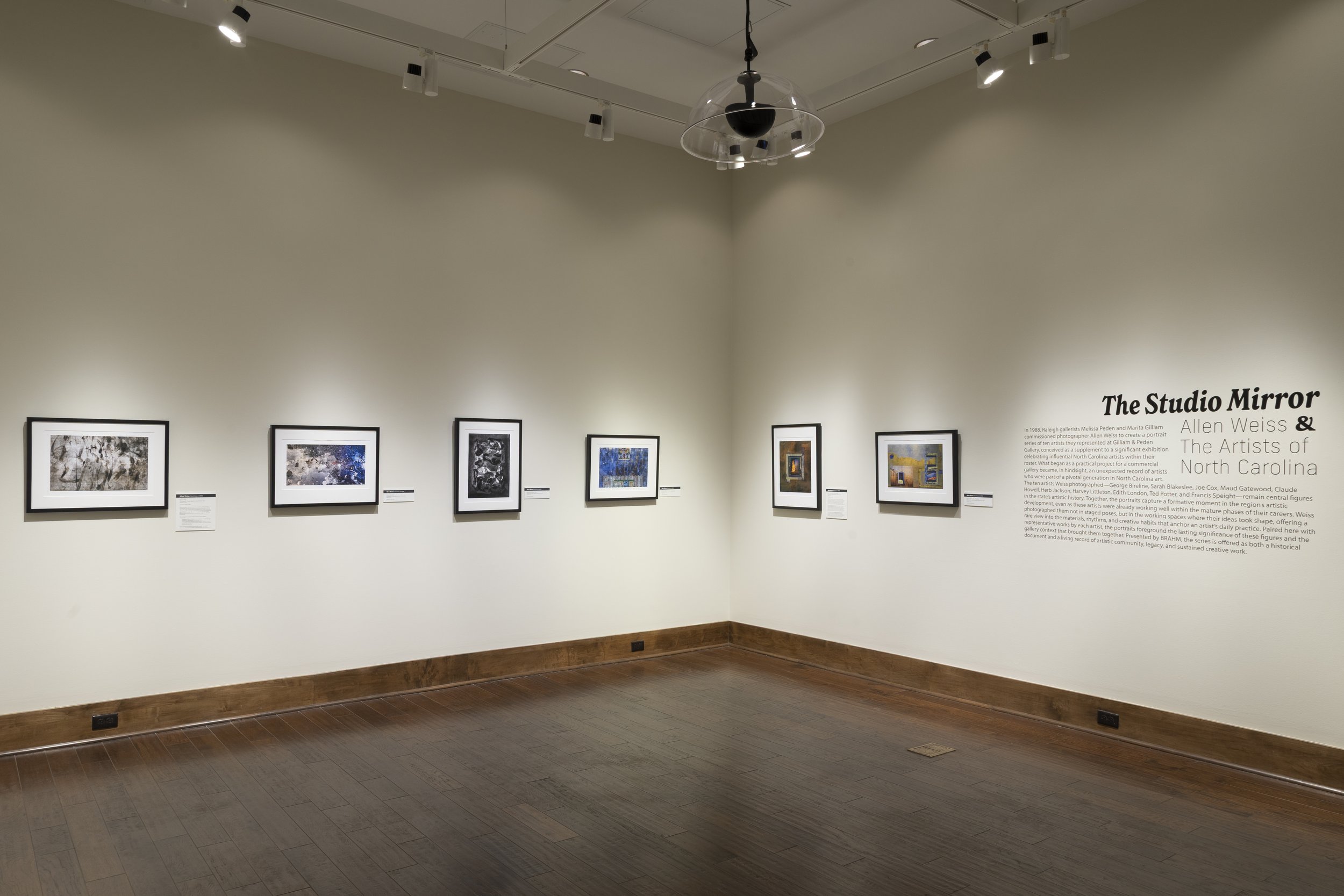
In 1988, Raleigh gallerists Melissa Peden and Marita Gilliam commissioned photographer Allen Weiss to create a portrait series of ten artists they represented at Gilliam & Peden Gallery, conceived as a supplement to a significant exhibition celebrating influential North Carolina artists within their roster. What began as a practical project for a commercial gallery became, in hindsight, an unexpected record of artists who were part of a pivotal generation in North Carolina art. The ten artists Weiss photographed—George Bireline, Sarah Blakeslee, Joe Cox, Maud Gatewood, Claude Howell, Herb Jackson, Harvey Littleton, Edith London, Ted Potter, and Francis Speight—remain central figures in the state’s artistic history. Together, the portraits capture a formative moment in the region’s artistic development, even as these artists were already working well within the mature phases of their careers. Weiss photographed them not in staged poses, but in the working spaces where their ideas took shape, offering a rare view into the materials, rhythms, and creative habits that anchor an artist’s daily practice.
The exhibition pairs each portrait with a representative work by the artist depicted, bringing the viewer into the visual and personal context in which these artworks were made. These pairings highlight the small but powerful ecosystem of artists, galleries, and collaborators that shaped the region’s cultural milieu at the time. They also underscore Weiss’s sensitivity as a photographer: his ability to locate likeness not only in a face, but in the surrounding environment—studios folded into homes, shelves crowded with images, objects, and books, canvases gathered in stacks, and an unmistakable sense of ease and intimacy shaped by long familiarity with a space. Collectively, the works form a portrait of an artistic community in motion, connected by the gallery that first brought them together.
Alongside the historic portraits, the exhibition includes a selection of Weiss’s more recent photographs, which mark a clear shift from the artist-focused work of 1988 into a broader and more exploratory visual language. After years spent working in film and commercial photography, Weiss returned to still images with an interest in subjects far removed from the studio: organic structures, non-objective forms, and scenes shaped as much by atmosphere as by place. These works reflect an artist expanding his attention from the specificity of individual lives to the open terrain of abstraction, texture, and environment. Seen together, the two bodies of work reveal not a single continuous trajectory but an evolving practice—one that moves from the intimacy of environmental portraiture toward a wider investigation of how form, light, and space create meaning in their own right.
Seen from the present, the portrait series affirms the lasting significance of the artists represented and the discernment that brought them together at Gilliam & Peden Gallery. The ten artists Weiss photographed would go on to shape North Carolina’s art history in distinct and enduring ways, making the project read as a prescient record rather than a coincidental one. Through its stewardship of this body of work, the Blowing Rock Art & History Museum presents the series not as a closed chapter, but as an ongoing conversation about artistic community, legacy, and sustained creative practice.