
About the Blowing Rock Garden Club
The Blowing Rock Garden Club was established in 1948 with a mission to beautify, educate, and conserve. Our members complete that mission today by maintaining the Memorial Park gardens and sharing their beauty with residents and visitors alike.
With a 2026 program focus of incorporating native plants into our public and private gardens, we are mindful of the important balance of native varieties and new threats from invasive species such as Japanese knotweed. We are working with local and regional agencies toward public education and healthy eradication.
Through our cooperative relationship with the Blowing Rock Art and History Museum, we are pleased to sponsor William Ritter, who will connect and complement the current exhibit "Field Studies: Ways of Knowing Place in Southern Appalachia" with our club mission through story and song.
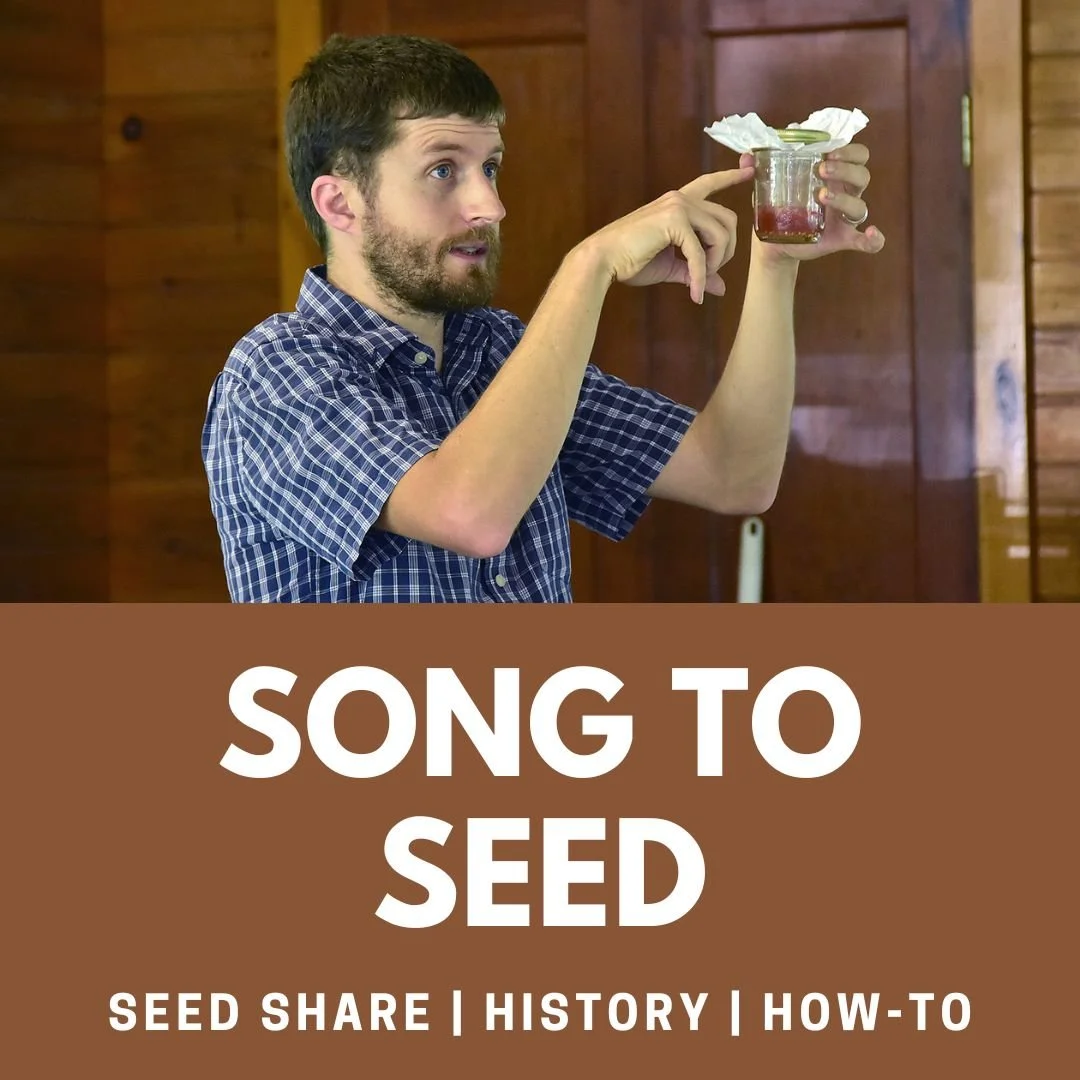
What is Song to Seed?
Song to Seed practices, celebrates, and advocates for community-building traditional Appalachian seed-saving and music traditions by: sharing and growing regional historic crops, helping put on events that feature Appalachian folkways, and creating educational programs and resources.
Seed saving is deeply important work. In addition to being connected to the preservation of local culture, local seed saving initiatives are vital to preserving genetic diversity, ecosystem health, and the nutritional value of the food that we eat. Due to industrial agricultural methods like monocropping, the United States lost 93% of vegetable varieties from 1903 to 1983. This loss makes our communities and food system more susceptible to threats like drought and blight, while also weakening the reserves for flavorful and nutritious local food.
About the Speaker
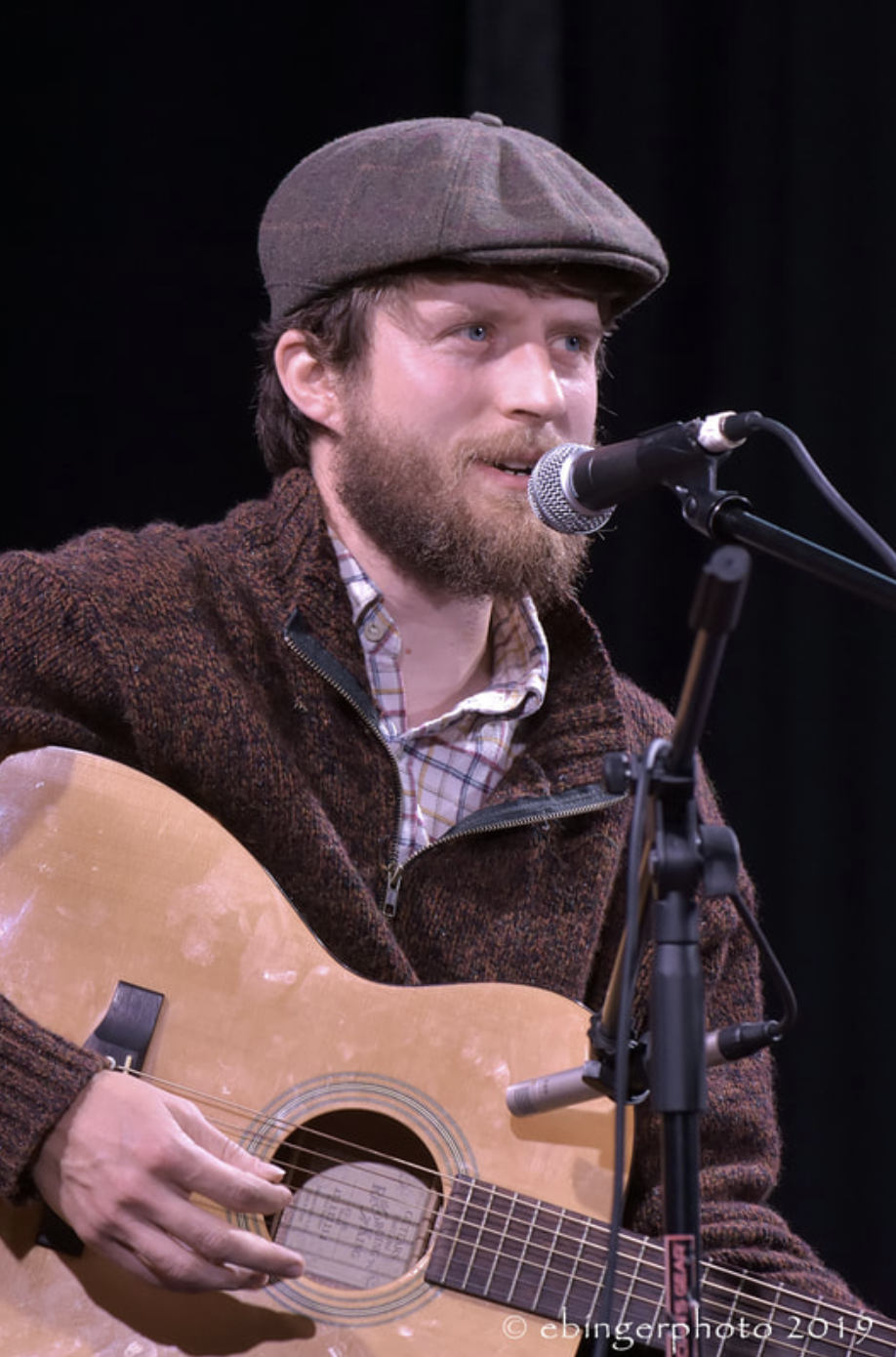
William Ritter is a musician, folklorist--Western North Carolina born and raised--lover of southern Appalachia. He holds an MA in Appalachian Studies from Appalachian State University, and he's been saving seeds for a long time.
During his tenure at App State, William made the connection between old-time traditional music and heirloom seed saving. Keepers of both traditions carry stories and memories in their work—more than just seeds and songs. This inspired William to begin offering workshops on the importance of heirloom seeds and seed saving (complete with original and traditional song performances) in 2017. Now, he's busy raising his and Sarah's new little gardener, but he still finds time to sing old songs, nurture Appalachian heirloom varieties, and teach the seed saving gospel through Song to Seed.
About the exhibition
Field Studies: Ways of Knowing Place in Southern Appalachia brings together contemporary artists whose work grows out of sustained attention to the landscapes, materials, histories, and lived environments of Southern Appalachia. Through practices spanning film, sound, photography, textiles, ceramics, sculpture, and installation, the artists in this exhibition engage modes of field study and observation associated with the natural sciences, historical records, and archives. In doing so, they respond to the rich history of documenting the unique biodiversity and culture of the region, while raising questions about what it means to draw from and represent this landscape today.
While diverse in their media and approaches to field work, the artists in the exhibition share a common understanding of being of this land and intimate with it. Rather than turning to the grand views and distant perspectives often associated with landscape as a genre, they move toward close looking, deep listening, and direct tactile engagement with the details that make up an environment: plants, waterways, soil, sound, weather, memory, labor, and material trace.
Taking an ecological approach, the artists presented here emphasize human entanglement with nature and understand the materials that form the basis of their work not only as subjects to be represented, but as active participants shaping the work itself. In this sense, Field Studies frames art-making as one way of knowing a place: a process shaped by observation, familiarity, repetition, and care.